Polished Concrete: Low-Maintenance Flooring for Keller, TX Properties
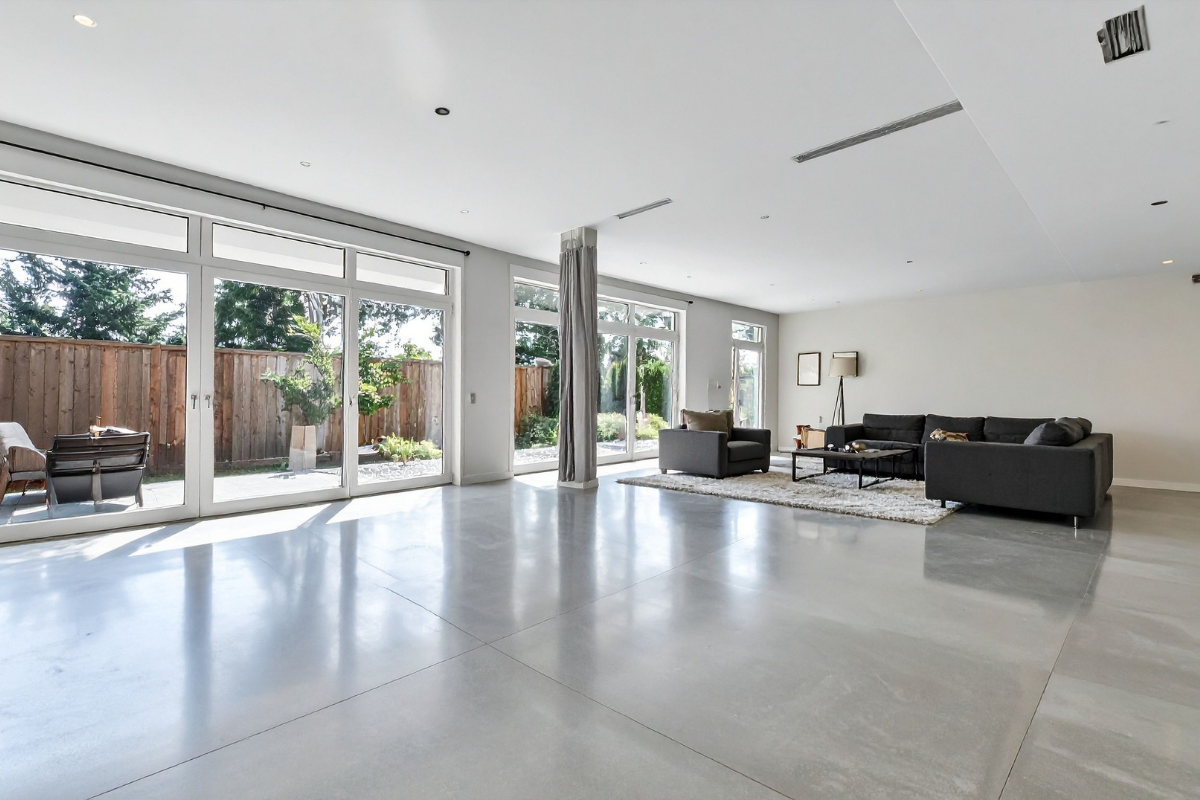
Polished concrete in Keller, TX delivers smooth, lustrous surfaces through mechanical grinding and chemical densification that creates low-maintenance floors with enhanced durability and reflectivity for both homes and businesses.
How Does the Polishing Process Transform Concrete?
Polishing uses progressively finer diamond abrasives to grind concrete smooth while densifiers penetrate the surface to harden and seal the material.
The process begins with coarse-grit diamonds that remove surface imperfections and expose aggregate if desired. Each successive grinding pass uses finer grits to refine the surface texture. Chemical densifiers react with concrete to create harder calcium silicate hydrate, which increases abrasion resistance. Final polishing steps with ultra-fine diamonds produce the characteristic gloss.
The result is a floor that resists dusting, staining, and wear while requiring only occasional damp mopping to maintain its appearance.
Which Commercial Spaces Benefit from Polished Concrete Floors?
Retail stores, warehouses, restaurants, and office spaces gain from polished concrete’s durability, light reflectivity, and ease of maintenance compared to other commercial flooring options.
The hard surface withstands heavy foot traffic and equipment without showing wear patterns common in softer materials. Increased light reflectivity reduces lighting costs in large spaces. The seamless nature eliminates grout lines where bacteria can grow, making polished concrete ideal for food service areas. Warehouses appreciate the dust-free surface that keeps inventory cleaner.
Many Keller businesses choose this option because it provides professional aesthetics without the replacement cycles required by carpet or vinyl.
For facilities needing specialized performance, commercial flooring in Keller can be customized with varying gloss levels and exposure depths.
Can Existing Concrete Be Polished Without Replacement?
Most existing concrete slabs can be polished provided they are structurally sound, have adequate thickness, and are free from delamination or severe damage.
Assessment includes checking for surface integrity and moisture issues that would prevent successful polishing. Minor cracks can be filled as part of the preparation process. The concrete’s age and composition affect the final appearance, with older slabs sometimes revealing unique character through exposed aggregates. Severely damaged concrete may require overlay systems before polishing.
Polishing existing slabs proves more cost-effective than demolition and replacement while achieving comparable aesthetics. Keller property owners often discover that their existing concrete foundation can be transformed into an attractive finished floor.
What Maintenance Does Polished Concrete Require Long-Term?
Polished concrete needs regular dust mopping and periodic cleaning with pH-neutral cleaners, with occasional reapplication of topical guards to maintain peak performance.
Daily maintenance involves dry or damp mopping to remove debris. Unlike sealed concrete that relies on surface coatings, polished concrete’s densified structure resists most stains internally. Periodic cleaning with auto-scrubbers keeps the surface fresh in commercial settings. Some installers recommend annual or biennial application of topical guards that enhance stain resistance without obscuring the polished finish.
The long service life and minimal maintenance requirements make polished concrete one of the most economical flooring choices over a building’s lifespan.
How Do Keller’s Building Codes Affect Polished Concrete Projects?
Keller follows standard building codes that address slip resistance and accessibility, requiring polished concrete installations to meet safety standards for their intended use.
Commercial applications must achieve appropriate coefficient of friction ratings, which installers can adjust by varying the final polish level. Entrances and wet areas may need additional slip-resistant treatments. Residential projects typically face fewer restrictions but still benefit from professional guidance on appropriate finishes for different rooms. Proper planning ensures your polished floor meets both aesthetic goals and regulatory requirements.
Working with experienced contractors familiar with local standards helps navigate these considerations smoothly. Projects that need foundational work can coordinate concrete repair in Keller before the polishing phase begins.
H Bar Epoxy and Concrete Coatings provides professional concrete polishing that transforms your Keller property’s floors into durable, attractive surfaces. Plan your project by discussing finish options and preparation requirements with our experienced team.
What Safety Standards Apply to Slip-Resistant Flooring in Frisco?
Frisco commercial properties must meet OSHA guidelines and ADA standards for slip resistance, with specific coefficient of friction values required for accessible routes and wet areas.
OSHA recommends minimum dry coefficient of friction values around 0.5 and wet values around 0.42 for walking surfaces. ADA standards specify similar requirements for accessible routes. Testing methods like the ASTM D2047 or ANSI A137.1 provide standardized measurements. Professional installers understand these requirements and select appropriate anti-slip aggregate densities to meet or exceed standards. Documentation of compliance helps property owners demonstrate due diligence in maintaining safe premises.
Working with experienced contractors ensures your Frisco facility meets these regulations without guesswork. Properties addressing multiple safety concerns can coordinate concrete sealing services in Frisco with slip-resistant upgrades for comprehensive floor protection.
H Bar Epoxy and Concrete Coatings installs slip-resistant coating systems that enhance safety across Frisco commercial and residential properties. Explore traction solutions tailored to your specific environment by discussing your facility’s unique challenges with our knowledgeable installation team.